Three Lessons from a Quiet Quarter: Personal Limits, Bigger Games, Boring Infrastructure

May 2026
Hi friends,
Quick note before we get into it: starting with this issue, the full monthly post comes straight to your inbox — no clicking through to the site for a the full update. There's a 60-second TL;DR right below if that's all you have time for, then the full read if you want it.
The 60-Second Version:
Over the last four months three businesses crossed real thresholds and I crossed two thousand miles:
- Lynn and I moved from St. Louis to Portland, we sold our house while I played my part in the three businesses I have an ownership stake in – doing all of that exceeded what I could hold. Lesson: recognize your real ceiling, not the one you wish you had.
- Silent Surgical is out of stealth. Our patent was granted in April and the Silent Clip™ is now public. Our co-founding CEO Richard Clark just presented at our first conference. Working with him and neurosurgeons Dr. Eric Leuthardt and Dr. Derek Li is teaching me how/when to move from a bootstrapped mindset when the project requires a bigger frame.
- Medical Innovations/Innovative Animal Products is in the middle of a quiet but significant modernization — website, manufacturing systems, regulatory work. None of it is glamorous. Lesson: building infrastructure isn't sexy, but it makes everything else possible.
If that's enough, thanks for reading. Otherwise, the full version is below. ⬇️
1. How Many Parallel Projects Can You Hold?
Lynn and I left St. Louis on April 11th and now live in Portland, Oregon. We're both within a couple years of 40, have lived our entire lives in the Midwest (with some extended travel mixed in), and wanted to experiment living somewhere that has bigger trees, mountains, milder weather, a larger MedTech scene, and a different rhythm of culture and community. We have real love for the Midwest — great friendships, family, professional networks, formative years — and we also wanted to invest in the experiment of starting our next chapter in the natural beauty, tech and opportunity of the West Coast.

I have spent most of my life living as though enough discipline, exercise, morning routines, and Getting Things Done could expand my capacity without ceiling. More businesses, more relationships, more travel, more side projects, more output. And for stretches, that is true — grad school while running Prototyping Tech, acquiring and updating/operating Medical Innovations in Minnesota while making this move from Missouri to Oregon. These were some significant and sustained effortful overlaps, with consistently high execution.
What I learned this winter, and have "learned" a number of times before, is that I actually do have a limited capacity — and I have been quietly running into it for months. Moving cross-country while running three businesses, selling a house, significant work-travel, and wrapping up a chapter of life is not a stretch goal. It is a season where some things will not happen, no matter how good my system is. My JoshAdams.io posts didn't happen. My LinkedIn cadence broke. Workouts disappeared. I noticed the kind of low-grade anxiety and lack of energy to socialize that, in my experience, is my body telling me I am asking it to carry a load it cannot sustain.
The hard part isn't accepting that I have a ceiling — most people will tell you they know they have one. The challenge and art is accepting where it actually is.
Lesson 1: We all have a real ceiling. The self-management underlying the work is recognizing our actual capacity for the chapter of life we're in — not where we wish it were. Then taking action within that scope, ideally with minimal self-judgement for not doing more.
This can look like bringing stronger discernment to making new commitments, prioritizing the highest-impact work, and keeping time to actually live while doing it. Not as a productivity hack, but as a recognition that we are humans, with bodies, relationships and a finite supply of energy. The version of us that pretends otherwise produces worse work and lives a worse life than the version that doesn't accept reality.
2. Recognize When You're Playing a Bigger Game
For the last three years, I've been developing a surgical device alongside Dr. Eric Leuthardt, Dr. Derek Li, and now Richard Clark which has been funded and incorporated as Silent Surgical, Inc. Today I can finally talk about it publicly since our patent has been granted (US 12,582,758 B1), and our flagship Silent Clip™ is out of stealth.
The Silent Clip is a single-use, clip-on attachment for Frazier-style surgical suction instruments that reduces suction noise from around 85dBa (~hairdryer noise level) to 65dBa (~normal speaking voice). Suction noise in the operating room can exceed OSHA hearing safety thresholds, impede communication, and cause cognitive fatigue. It has been treated, until now, as an unavoidable cost of doing surgery. I'll write up the full "what we built and how" in a separate post. This section is about thinking bigger.
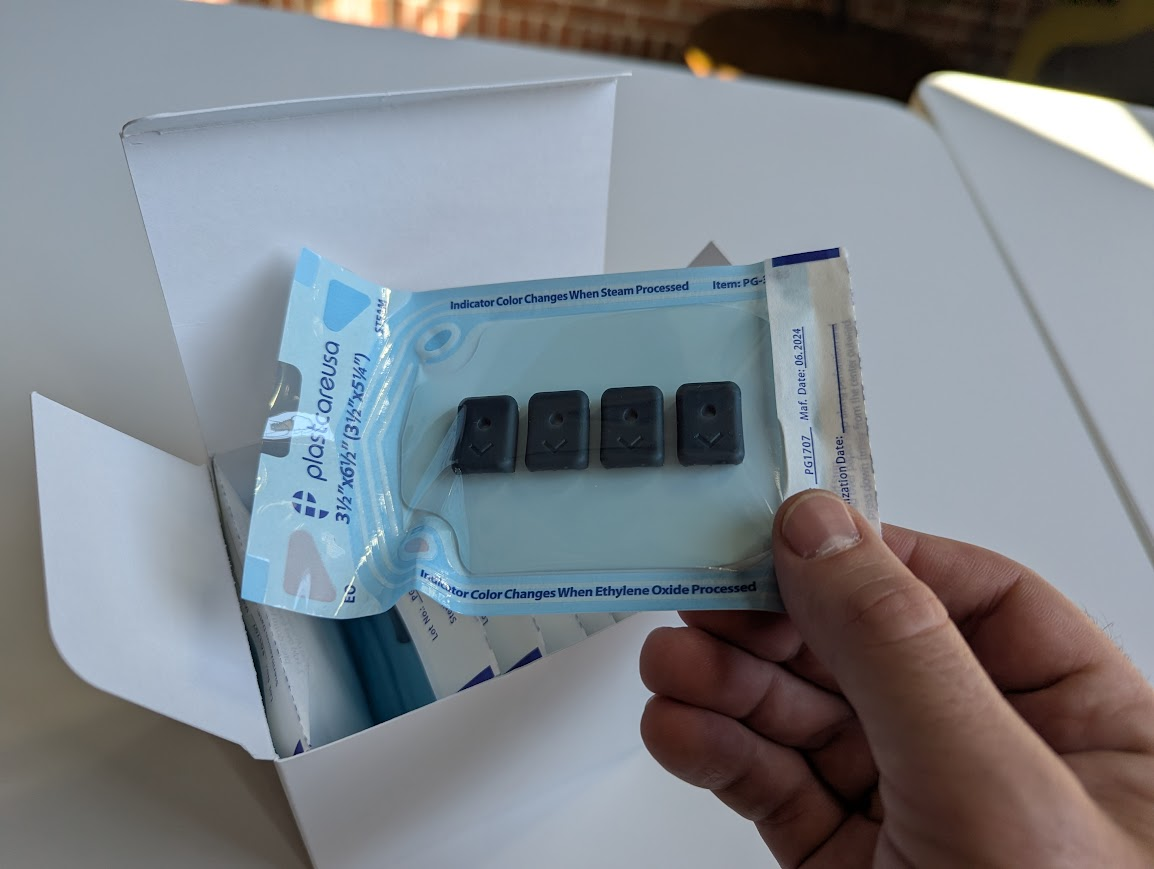

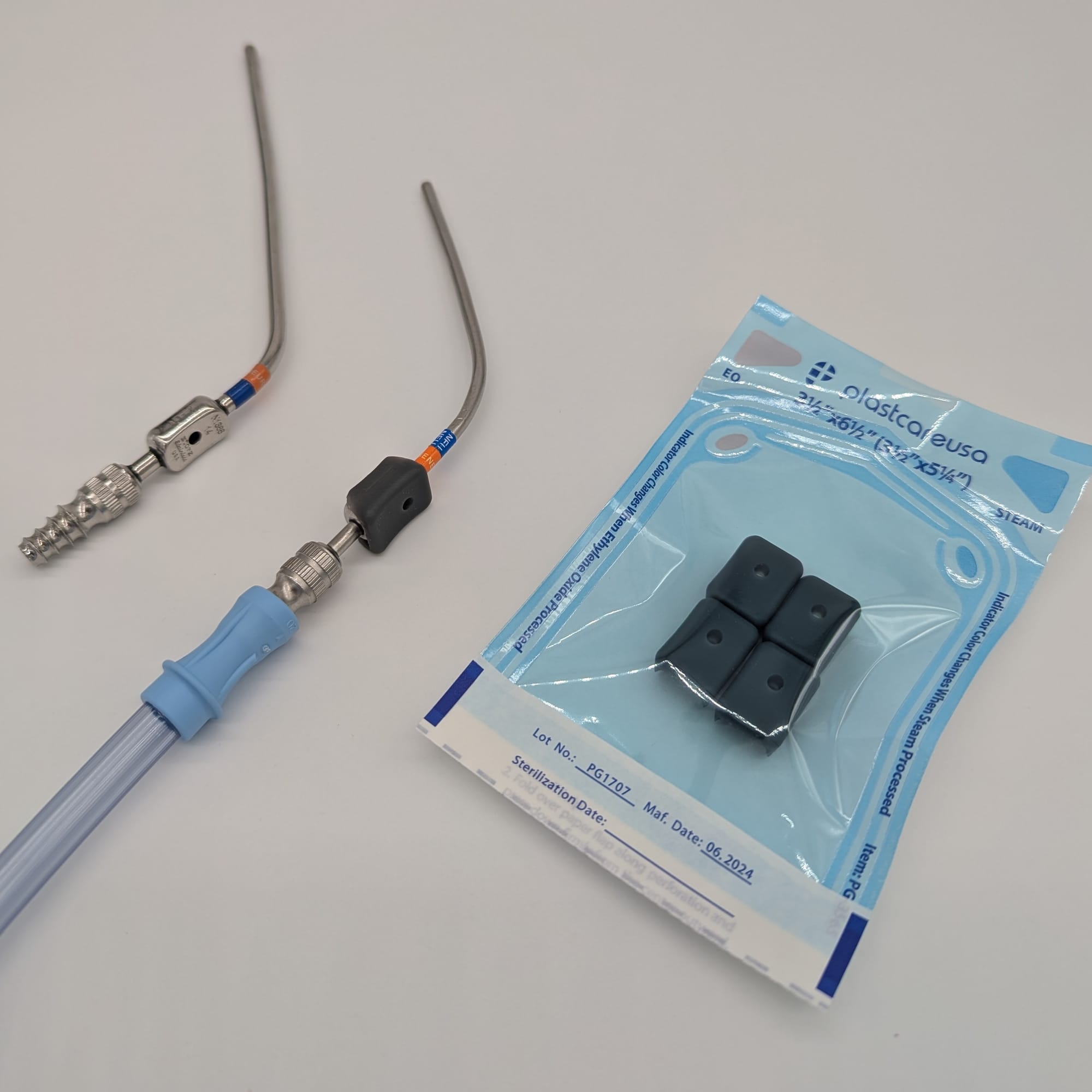
For most of my career as an entrepreneur-engineer-operator, my instinct has been to bootstrap: keep the team small, keep the cap table clean, build with what we have, focus on existing customers, scale sustainably. That instinct has served me well where it fit — my 2018 Nuhill Technologies acquisition that grew into Prototyping Tech, and now Medical Innovations/Innovative Animal Products is being modernized that way.
But Silent Surgical isn't that kind of opportunity. The Silent Clip is a new invention that could belong in operating rooms across the country, and perhaps the world. The problem — surgical suction noise — is global, and the right answer is global distribution and partnerships that take real capital to build. This is what inspired our venture investment, from BioGenerator. My bootstrap instinct, applied to this company, would be playing a different game than the problem asks for.
Richard and Eric especially have been pulling us into paradigm based on: What does it actually take to deliver this device to every surgical team that should have it? Not "what can we afford this quarter." What does the real answer look like — team, partnerships, capital, regulatory path, distribution chain — and how do we work backward from that? This has involved raising capital and thinking with a few more zeros than I’m used to.
I'm still learning the answers. But I'm clearer now that the goal is not to do this alone, and not to do it small. The goal is to do it well, at the scale the problem deserves.
Lesson 2: Bootstrap instinct is a tool, not an identity. Match the scale of your approach to the scale of the value at stake — and be willing to play the bigger game when the bigger game is the right one.
If you're a brain, spine or ENT surgeon — or know one — and you'd like to see the Silent Clip™ in person, we have a demo at WashU coming up and more being scheduled. Reach me at josh@joshadams.io and I'll connect you.
3. Boring Infrastructure Makes it All Possible
Meanwhile at Medical Innovations International, the work right now is the kind that doesn't make for flashy posts. We are rebuilding the website, modernizing internal systems, and doing regulatory work that lives in audit folders and Quality Management System documentation. None of it is glamorous. All of it matters at a foundational level.
Website rebuild: We're nearing completion of a custom-built site at miiq.com that replaces the dated medicalinnovations.com — a rebranded B2B platform with online ordering, ERP integration, CRM, and FDA-mandated QMS documentation, all tied together. It's taking months longer than expected, and I've been a major bottleneck with my constrained availability.
*Note for those of you in FDA-regulated manufacturing: as of Feb 2, 2026, the FDA has updated 21 CFR Part 820 to reference ISO 13485 for medical device manufacturing — a meaningful alignment that's worth understanding if you're operating under either standard.
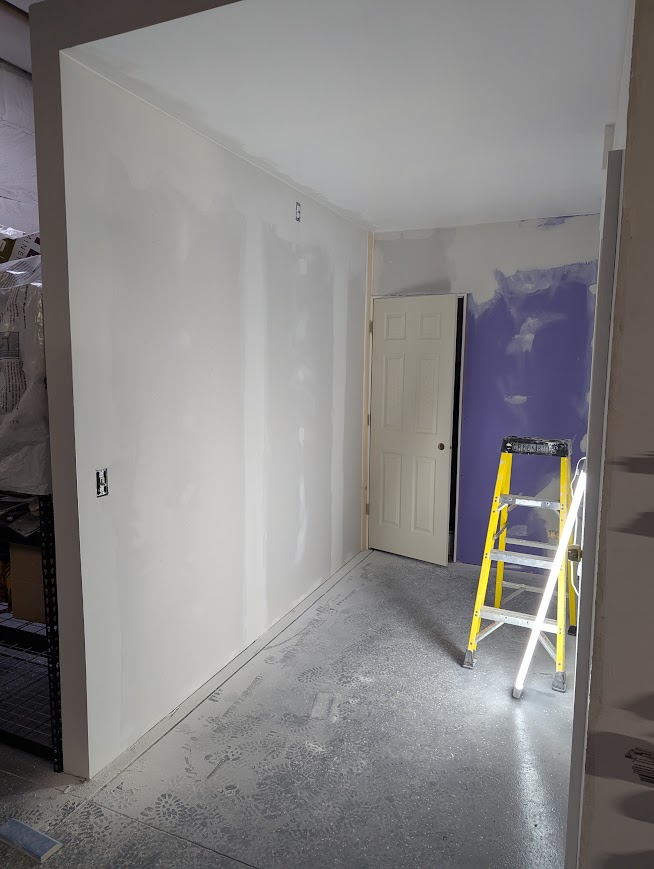
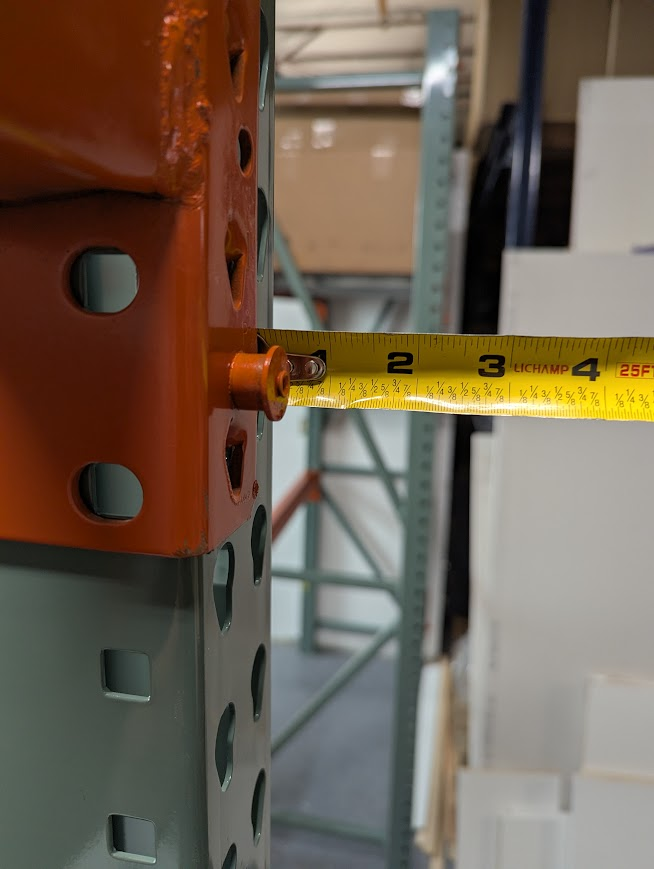
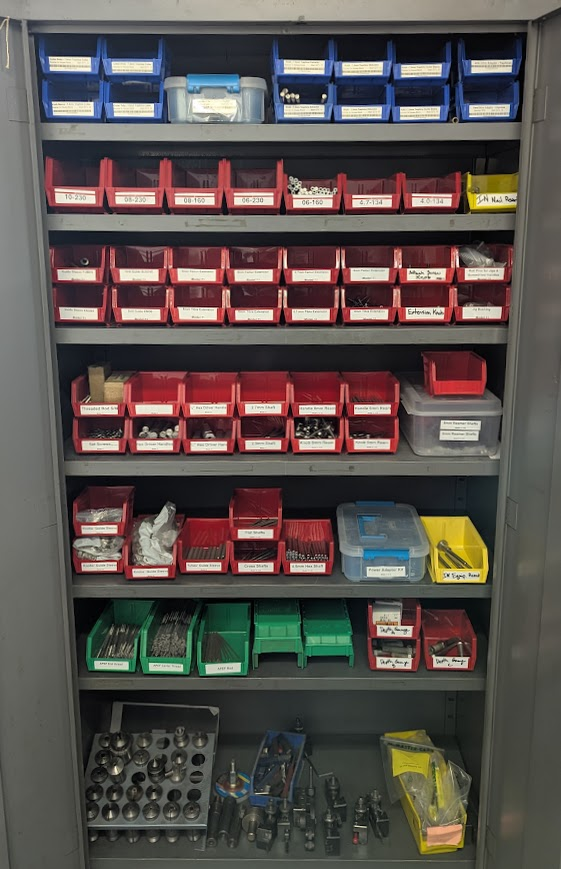
Shop layout and work order/communication systems: Over the last 11 months, the MII and IAP shop floors have gone through a real renovation:
- Integration of 5S principles, a core component of Lean Manufacturing– largely in the Sort, Straighten and Shine implementations.
- Organization of actively used tools and unused clutter resulting in removal of more than half of all tools and supplies from active use areas.
- Sale of several tons of equipment including metal machining mills, a honing machine, grinders, old material stock etc.
- New epoxy floor
- Wet-cleaning room buildout
- Organized stainless steel stock racking
- Redesigned bone biopsy needle sharpening line
- New inventory room, and differentiated unfinished parts inventory
- Digitization of paper drawings and historical documents
- New experiment in work-order communication between planning and the shop floor.
Behind each of those bullet points are dozens of smaller decisions — ranging from role design, space use, and culture to planning for the future of the business.
There's a tendency, especially on LinkedIn and any social media, to celebrate the visible parts of the work — the new device, the trial result, the clinical demo, the funding round. Infrastructure work is invisible by design. When it's done well, no one notices — just like when everything in your bathroom works. When it's done poorly, it becomes an urgent, expensive breakdown that can contaminate everything else.
New products, partnerships, and distribution channels are only possible if the website actually loads, the orders actually ship, the regulatory file is actually current, and the shop floor has the inventory and work-order systems it needs. The work I've been doing at MII/IAP this year has mostly been plumbing — and it's the work that determines whether everything we want to do over the next decade smoothly flows.
Lesson 3: Once the product or business is validated, deliberately build out the boring infrastructure. Get it right, in the unglamorous and detailed sequence that is it's nature. Skip it, and quality, inventory, and documentation issues may start backing up and flooding your operation.
Looking at all three: the principal under the lessons is that high value, sustainable work comes from matching effort to reality. The real ceiling, not the imagined one. The real scale of the problem, not the familiar one. The real foundation, not the visible part. Get that match right and outcomes can express the magic of compounding growth.
What's Next
I'm getting settled in Portland and back to a regular publishing rhythm starting with this post 🤞. Coming up: a 'what we built' writeup of the Silent Clip™, a deeper technical post on the MII modernization, and an update on the veterinary work at Innovative Animal Products
If you're a surgeon, an engineer-operator, or a MedTech business owner thinking about what comes next — for your career or your company — I'd be glad to hear from you.
Thanks for being here and sorry for the 4 month silence.
Wishing you a creative month ahead,
Josh