One Year at Medical Innovations International & Innovative Animal Products
June 2026
TL;DR — One year of owning a medical device company, in 60 seconds:
- The work of a 50-year-old legacy of unique product lines has primarily taken the shape of reconnecting to regulators, customers, modern websites, and decades of IP embedded in relationships and paper drawings.
- The hardest decisions were disconnections, responsibly winding down contract work that was costing us more than it earned, with off-ramps so downstream patients aren't left without care.
- The best surprises were people. A team that chose to stay and teach me. A veterinary community I'm loving. An education in orthopedics that's left me in awe of bodies, including my own crooked-but-healed clavicle.
- Year one was about earning the right to keep going. Year two is when the work starts showing up in the world.
Full version below for anyone who wants more. ⬇️
One year ago today, I acquired Medical Innovations International (MII) and its veterinary sister company, Innovative Animal Products (IAP)
Biggest Challenges
The hardest projects this year shared a similar dynamic involving a system or relationship that mattered, had drifted or lapsed over time, and needed a change of course. A few of note:
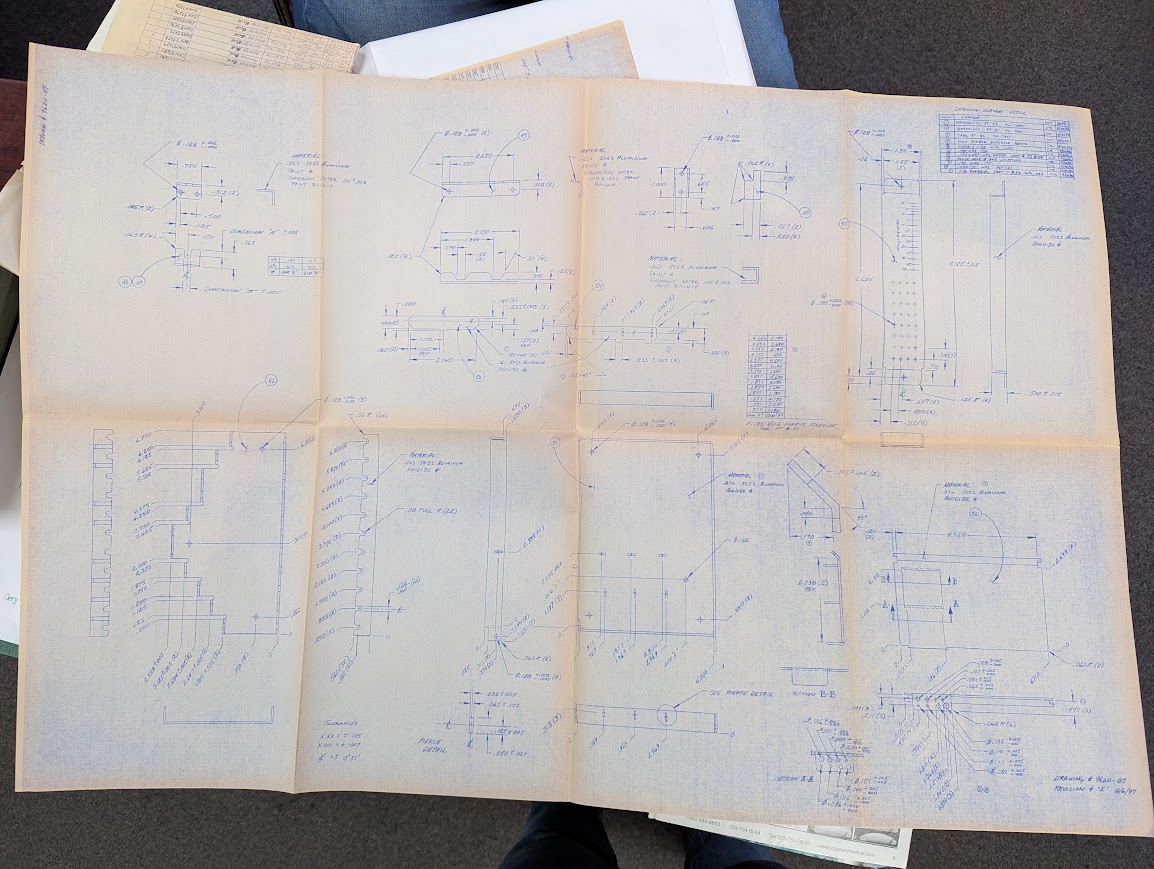
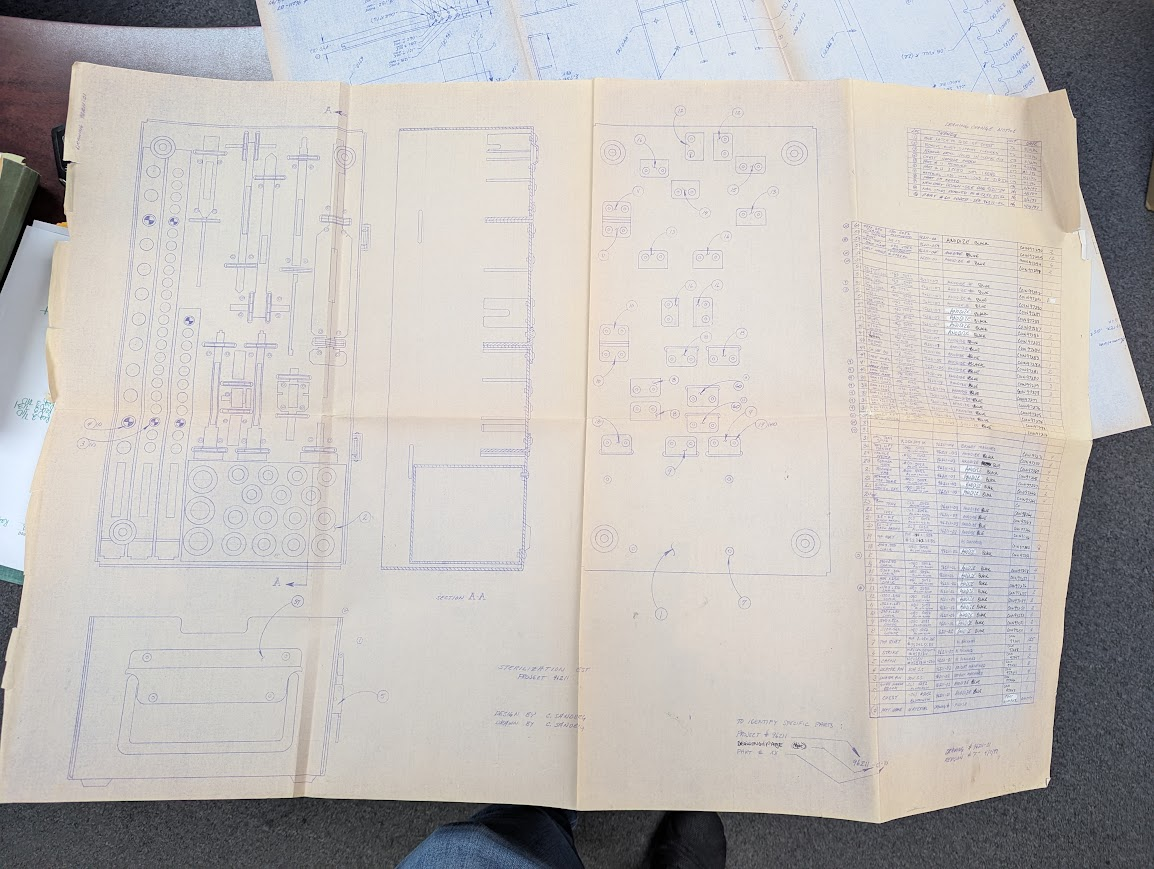
1. Historical drawings and production methods
We've been collecting and digitizing decades of engineering drawings. Some only existed as hand drawn pages in a filing cabinet, or in the heads of the people who made the parts. The process of digitizing the record has also been surfacing opportunities to improve the products themselves. A couple components have already been changed leading to higher consistency, lower labor and saved cost. Quality is always important and cost savings is especially significant in our inflationary moment to prevent, or at least mitigate, price increases that end up landing on clinics and patients.
2. Insurance reimbursement for Barton Button users
The distributor relationships that used to make reimbursement work for our human-medical products had wound down before I arrived. Our customers' insurance covered these devices for years. However, reinstating the old relationships, building new ones, and/or creating a system that could work for us to accept insurance directly (so patients who need our products can have their insurance pay for them) is strangely expensive and full of dead ends. Getting Barton Buttons covered again is a priority for the coming year.
3. Digital Infrastructure
Over the past year, we’ve been building entirely new websites for both MII and IAP, complete with online sales architecture and regulatory-compliant backends for our team, customers and clinicians. This work has taken many months longer than originally planned, and I have frequently been the bottleneck due to a heavily constrained calendar. Although this is taking longer than hoped, it forms the foundation that future growth will be built on.
The hardest call:
The hardest projects were about reconnection. The hardest decisions were about disconnection.
When I took over, a meaningful share of our revenue came from contract manufacturing, which is making other companies' products in our shop. On the income statement it looked like healthy revenue. But upon accounting for the true cost of production through time studies and input costs, it turned out that some of those contracts were costing us more than they brought in. We were paying to make someone else's product.
Since this is medical manufacturing, and patient care is downstream of any decision, we’ve done our best to help the OEM customers we’ve manufactured for maintain continuity by building off-ramps into other modes of production. We’ve done this by offering extended timelines for transition, additional documentation of our process, and offering training and even the sale of some of our equipment to in-house production for our customers or help them transition to another shop.
Revenue will tick down as the transitions complete. But since that revenue was coming at a loss, and those projects weren’t part of a future our company seeks to grow into, the short term transitional pain is better for everyone.
The Rewards of Connection
Mirrored against those challenges, the best parts of year one came from a person or a community I never would have discovered if I hadn’t taken on this business.
1. The Team That Came with the Shop
The previous owner and our office manager have have been real partners to me: teaching me about the many nuances of the business and industry, introducing me to our human-medical and veterinary customers, and giving me honest feedback when changes were needed (including when I brought something that didn’t work). Our machinist has rolled with a number of 5S changes on the production floor. As you might expect, the most valuable asset this company came with wasn't the equipment or the customer list. It was the people who chose to stay through the transition.
2. The Veterinary Community
I bought MII barely knowing IAP existed, or knowing about veterinary medicine. I had no idea how much I'd come to love veterinarians. The vets I’ve connected to work with an openness and friendliness I find refreshing. They’ve been active problem solvers and have shown up with a willingness and excitement to partner in device refinement and development.
Additionally, the MII<->IAP dynamic is giving me insight into the unique interplay between human and veterinary device development. The implants may differ, and regulatory and economic dynamics diverge, but the core biological and engineering principles remain highly consistent.
3. Orthopedics as a Discipline
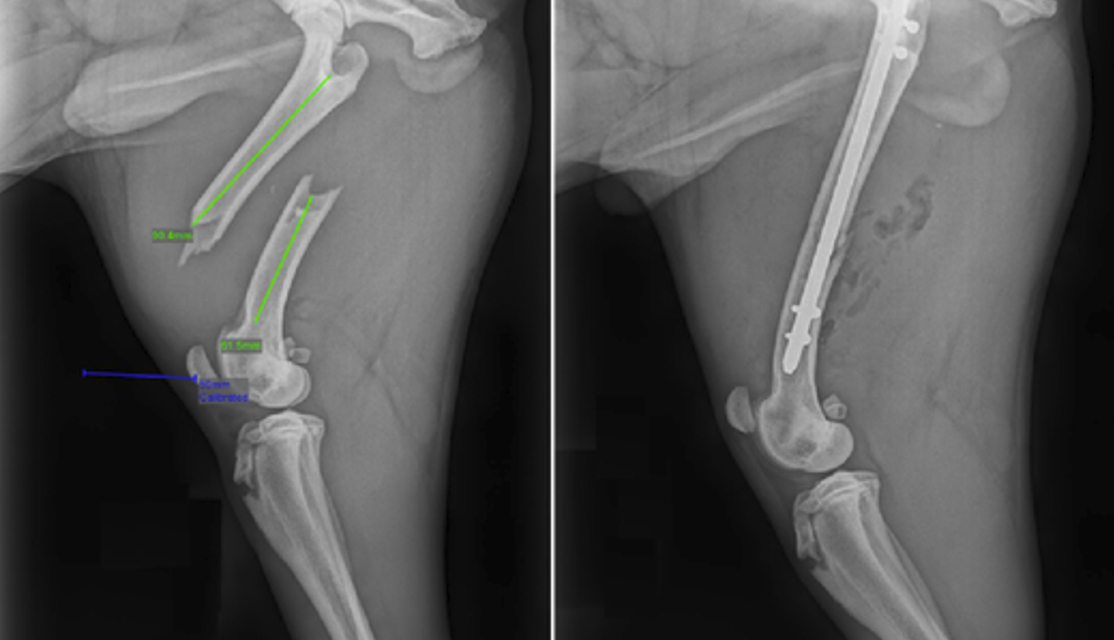
Year one has provided a direct education in orthopedic medicine that has complemented my recent MS degree in Biomedical Engineering. The different types of fractures and joint issues, and the fixation methods (plates, rods, nails, screws, bolts, etc.) developed to address them. How research is performed, and how different qualities in fixation can impact healing outcomes such as bone regrowth, recovery time, and in the worst cases, implant failure.
The more I learn about bodies, the more they amaze me, and I feel lucky to have one that lets me participate in our world. When I was a teen and broke my clavicle and my body healed itself, slightly crooked but stronger than ever, with just a sling and extra rest from my conscious efforts. Feeling grateful to be a part of the care, and improvement of care, for the bones and bodies of people and animals.
Closing thoughts
The work of buying a small business isn't starting from zero, and often isn't about optimizing a machine that already runs well. It's adjusting and reconnecting with systems that drifted, customers who left, records that were never digitized, and a future you get to discover and create with a community of stakeholders.
The next twelve months will be about bringing many of these invisible projects into the world: We will see the launch of new web platforms, distributor relationships, the digitization of our historical veterinary catalog, and new products brought to market.
Year one was about showing up, paying attention, and earning the right to keep going.
The work continues.
To the team, our customers, and the partners who have helped navigate this first milestone: thank you.
I’ll continue writing about the tactical realities of this journey on JoshAdams.io, occasionally on LinkedIn, and perhaps in a longer-form piece I've started working on for engineers and operators considering an acquisition of their own.